
HAPPY HOLIDAYS
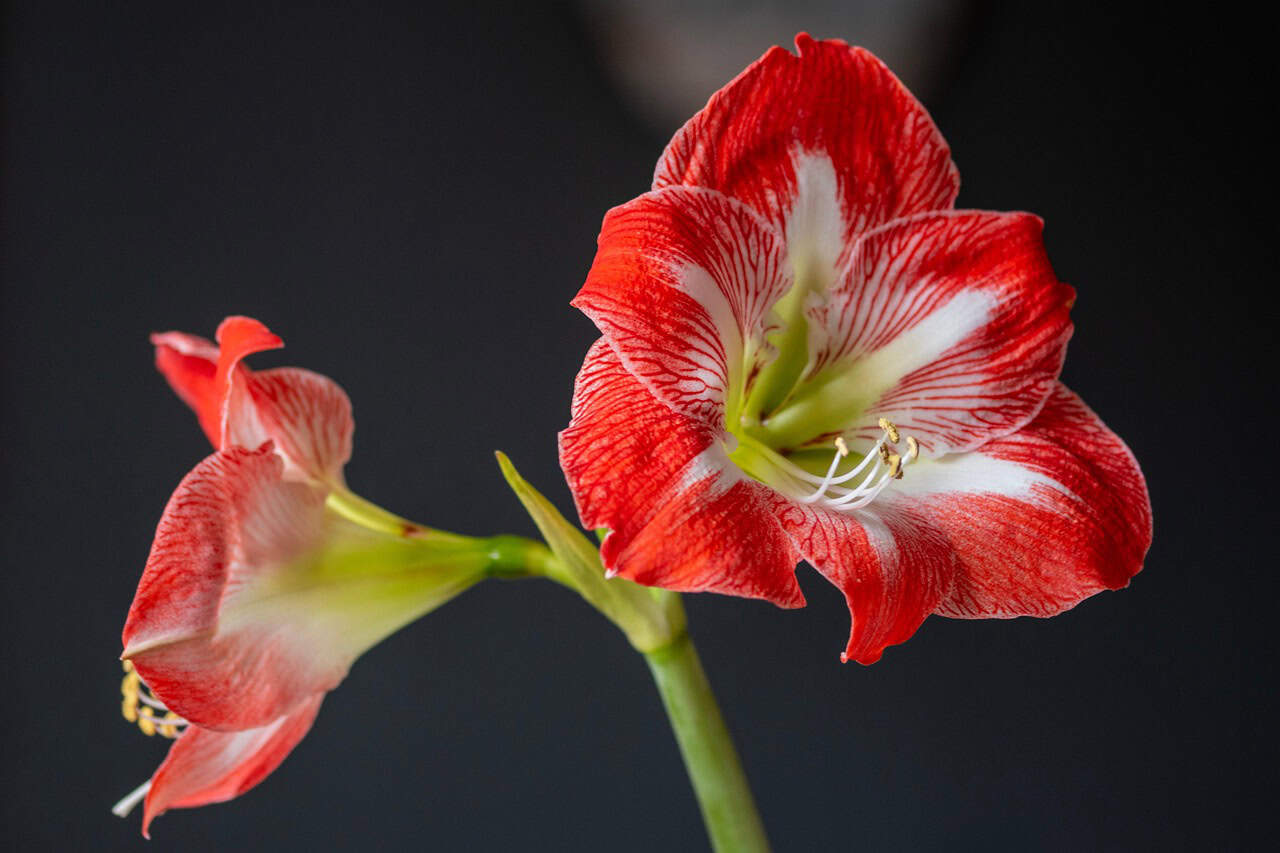
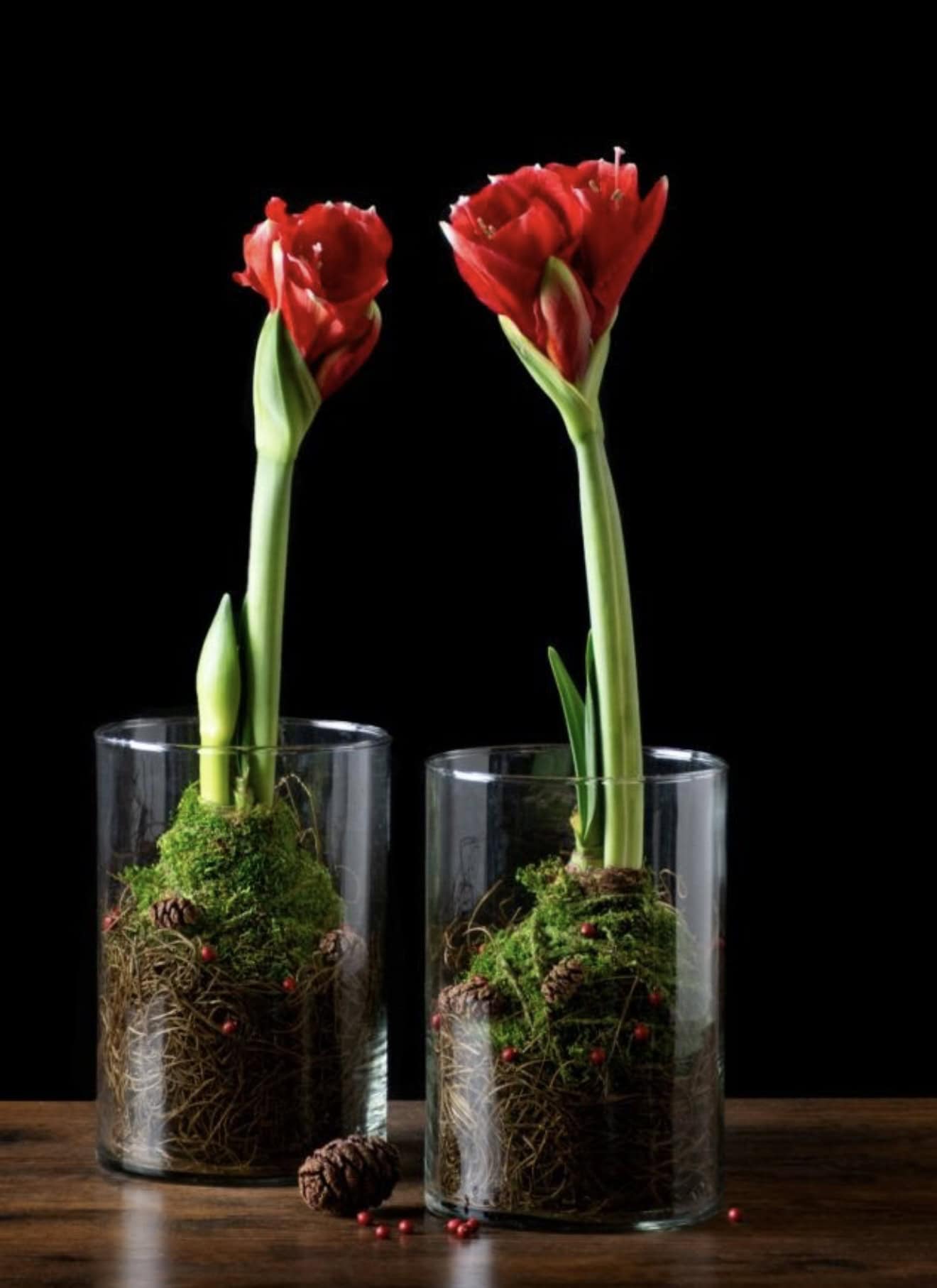
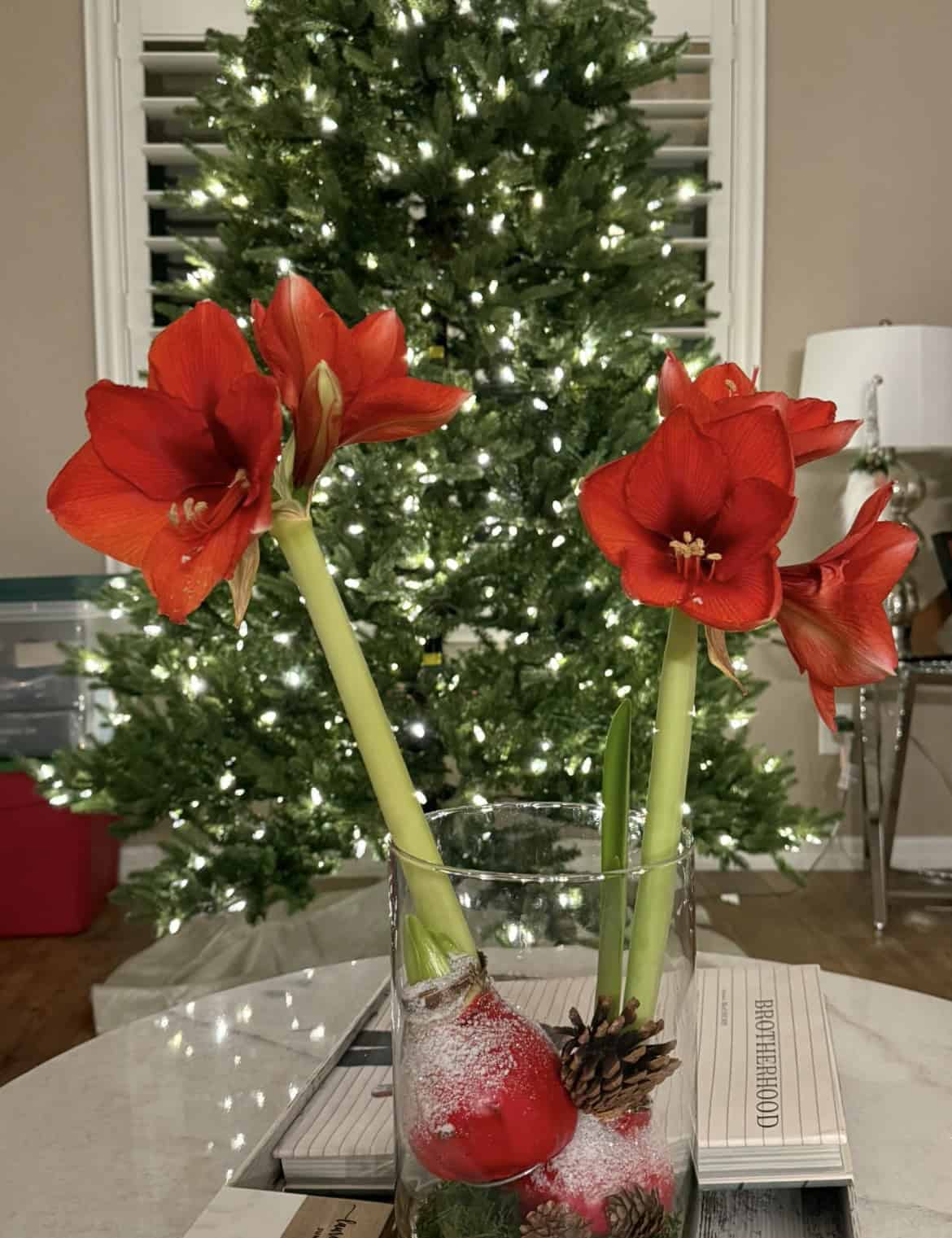
Amaryllis plants can rebloom year after year, but there are some steps you’ll need to take to get them to flower again.
3 main environmental changes that trigger an amaryllis to bloom: drought, darkness and cool temperatures. These 3 things will force the bulb to go dormant, or rest. We need at least 6-8 weeks of rest so they can build up energy to flower.
1. Give It Plenty of Light
After blooming, an amaryllis needs bright, indirect sunlight to grow strong, healthy leaves.
If you keep yours indoors:
-
Place it near a sunny window—south or west facing is ideal
After the blooms fade, snip off the wilted flowers at the base of the stem.
Leave the green leaves in place. These leaves are your bulb’s power source—they photosynthesize and recharge the bulb for next year’s flowers.
If the entire flower stalk has collapsed or dried out, you can remove it too, cutting it back to just above the bulb.
2. Put It Into Dormancy (The Secret to Reblooming!)
This part is non-negotiable if you want winter blooms again.
You can leave it in the pot or dig out the bulb and store it bare root.
Around late August or early September, begin preparing it for dormancy:
-
When the leaves yellow and die back naturally, cut them off.
-
Store the bulb in a cool, dark place (around 50–55°F) for 8–12 weeks.
This rest period mimics its natural seasonal cycle.
Optional: Move It Outdoors for the Summer
Your amaryllis will love the fresh air. Warmer temps + real sunlight = a stronger bulb.
Just be sure to:
-
Protect it from heavy rain.
-
Plant in a pot so you can bring it in before nighttime temps drop below 55°F.
3. Wake It Up and Start Again
Once dormancy is complete:
-
Move the pot back to a bright warmer area.
-
Plant in soil and water lightly.
-
Replace the top inch of soil or repot if needed.
Within a few weeks, you should see new growth—and soon after, fresh flower stalks.
Feed It to Rebuild Strength
Fertilizing is key if you want the plant to bloom again.
Use a balanced, water-soluble plant fertilizer (10-10-10 or similar) every 2–4 weeks during spring and summer. This fuels leaf development and helps the bulb store energy.
Timing it for Christmas next year:
Start the process sometime between September 17 to October 15.
Not complicated—it’s all about letting the plant recharge, rest, and cycle naturally. With the right post-bloom routine, your amaryllis can become a long-term, reliable holiday beauty that rewards you year after year.
If you follow these steps, get ready: you’re on track for another spectacular round of blooms!
Explore over 250 useful blogs all about Las Vegas, lifestyle, & tips & tricks.
New This Week