Pros & Cons
of Solar
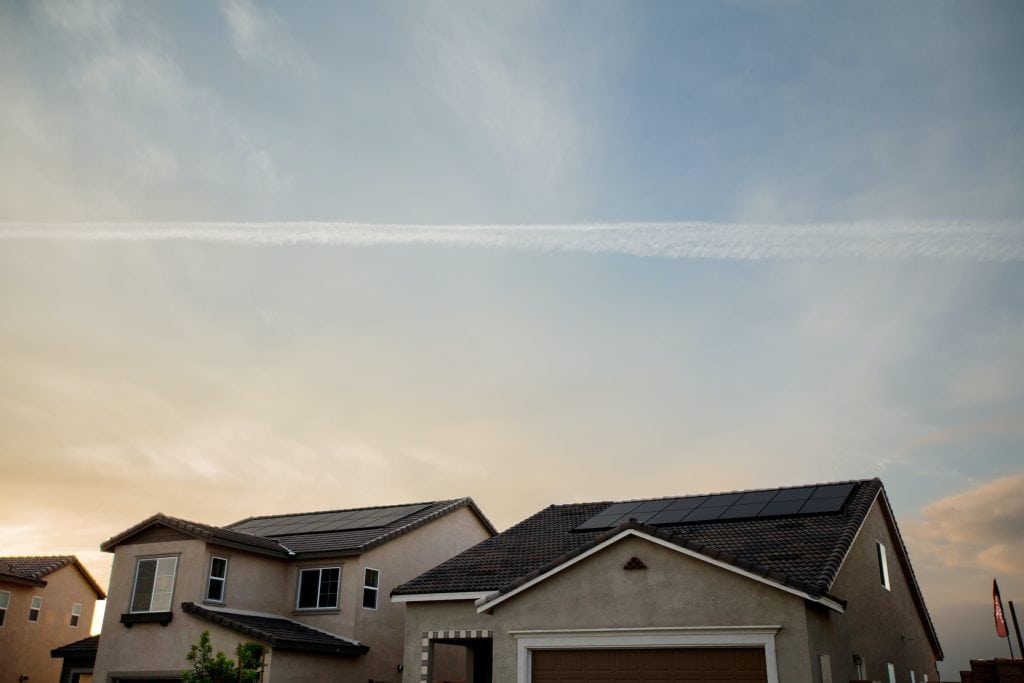
Nevada’s history with solar energy has been marked by challenges, yet the recent reinstatement of net metering suggests a positive trajectory ahead. The state has taken a significant stride by revising its renewable portfolio standard (RPS), mandating that utilities achieve 50% of their energy from renewable sources by 2030. Although the removal of the solar carve-out from the revised RPS means there is no specific solar energy production quota, the ambitious renewable energy target could spur the creation of innovative incentive programs by utilities. With the restoration of net metering and the availability of federal tax credits, there’s a window of opportunity for substantial savings for those who take prompt action.
Advantages & Disadvantages
A Word of Caution Before You Go Solar
If you’re considering solar panels for your home—pause for a moment. This conversation is long overdue, and I’m sharing it not to discourage renewable energy, but to help protect homeowners from common, costly pitfalls that I’ve seen time and time again.
Please do not rush into signing a solar lease, loan, or long-term contract without first speaking with a qualified, experienced Realtor—like myself—or someone who deeply understands how these agreements impact future real estate transactions. The fine print in solar contracts can lead to major complications when it comes time to sell your home.
Here’s the bottom line: unless your solar system is fully paid off and owned outright, it’s likely to create obstacles down the road. And even if it is owned, you still need to weigh whether the long-term savings truly justify the upfront cost—especially if you don’t plan to stay in the home for the next 10 to 25 years.
Over the years, I’ve helped many clients navigate the sale of homes with solar systems attached—and nearly every one of those sales was more stressful than it needed to be. I’ve seen the disappointment in sellers’ faces when they realize the solar loan payoff eats into their bottom line. I’ve seen buyers walk away because they don’t want to assume a long-term lease with high monthly payments that don’t pencil out.
Some homeowners tell me, “I thought I’d live here forever.” But life happens—job changes, family needs, or unexpected circumstances—and suddenly that long-term solar contract becomes an anchor.
Here are a few hard truths:
-
Solar leases rarely save homeowners money, especially on smaller homes.
-
Most buyers don’t want to take over someone else’s solar contract—especially a 20+ year lease or loan.
-
If your system is financed, you’ll likely have to pay off the remaining balance at closing.
-
Many solar companies have gone out of business, making service and transfer even more complicated.
And those friendly solar sales reps? They’re not thinking about your resale value. They’re thinking about their commission. Harsh, but true.
This isn’t meant to spark debate. I’m speaking from years of experience and dozens of transactions. I’m here to help you make informed decisions that align with your real estate goals—not just your electric bill.
So if you’re considering solar, slow it down. Ask more questions. Reach out to someone who’s been in the trenches. Let’s make sure your bright idea doesn’t turn into a real estate headache later on.
A Word of Caution Before You Go Solar
If you’re considering solar panels for your home—pause for a moment. This conversation is long overdue, and I’m sharing it not to discourage renewable energy, but to help protect homeowners from common, costly pitfalls that I’ve seen time and time again.
Please do not rush into signing a solar lease, loan, or long-term contract without first speaking with a qualified, experienced Realtor—like myself—or someone who deeply understands how these agreements impact future real estate transactions. The fine print in solar contracts can lead to major complications when it comes time to sell your home.
Here’s the bottom line: unless your solar system is fully paid off and owned outright, it’s likely to create obstacles down the road. And even if it is owned, you still need to weigh whether the long-term savings truly justify the upfront cost—especially if you don’t plan to stay in the home for the next 10 to 25 years.
Over the years, I’ve helped many clients navigate the sale of homes with solar systems attached—and nearly every one of those sales was more stressful than it needed to be. I’ve seen the disappointment in sellers’ faces when they realize the solar loan payoff eats into their bottom line. I’ve seen buyers walk away because they don’t want to assume a long-term lease with high monthly payments that don’t pencil out.
Some homeowners tell me, “I thought I’d live here forever.” But life happens—job changes, family needs, or unexpected circumstances—and suddenly that long-term solar contract becomes an anchor.
Here are a few hard truths:
-
Solar leases rarely save homeowners money, especially on smaller homes.
-
Most buyers don’t want to take over someone else’s solar contract—especially a 20+ year lease or loan.
-
If your system is financed, you’ll likely have to pay off the remaining balance at closing.
-
Many solar companies have gone out of business, making service and transfer even more complicated.
And those friendly solar sales reps? They’re not thinking about your resale value. They’re thinking about their commission. Harsh, but true.
This isn’t meant to spark debate. I’m speaking from years of experience and dozens of transactions. I’m here to help you make informed decisions that align with your real estate goals—not just your electric bill.
So if you’re considering solar, slow it down. Ask more questions. Reach out to someone who’s been in the trenches. Let’s make sure your bright idea doesn’t turn into a real estate headache later on.